
Description
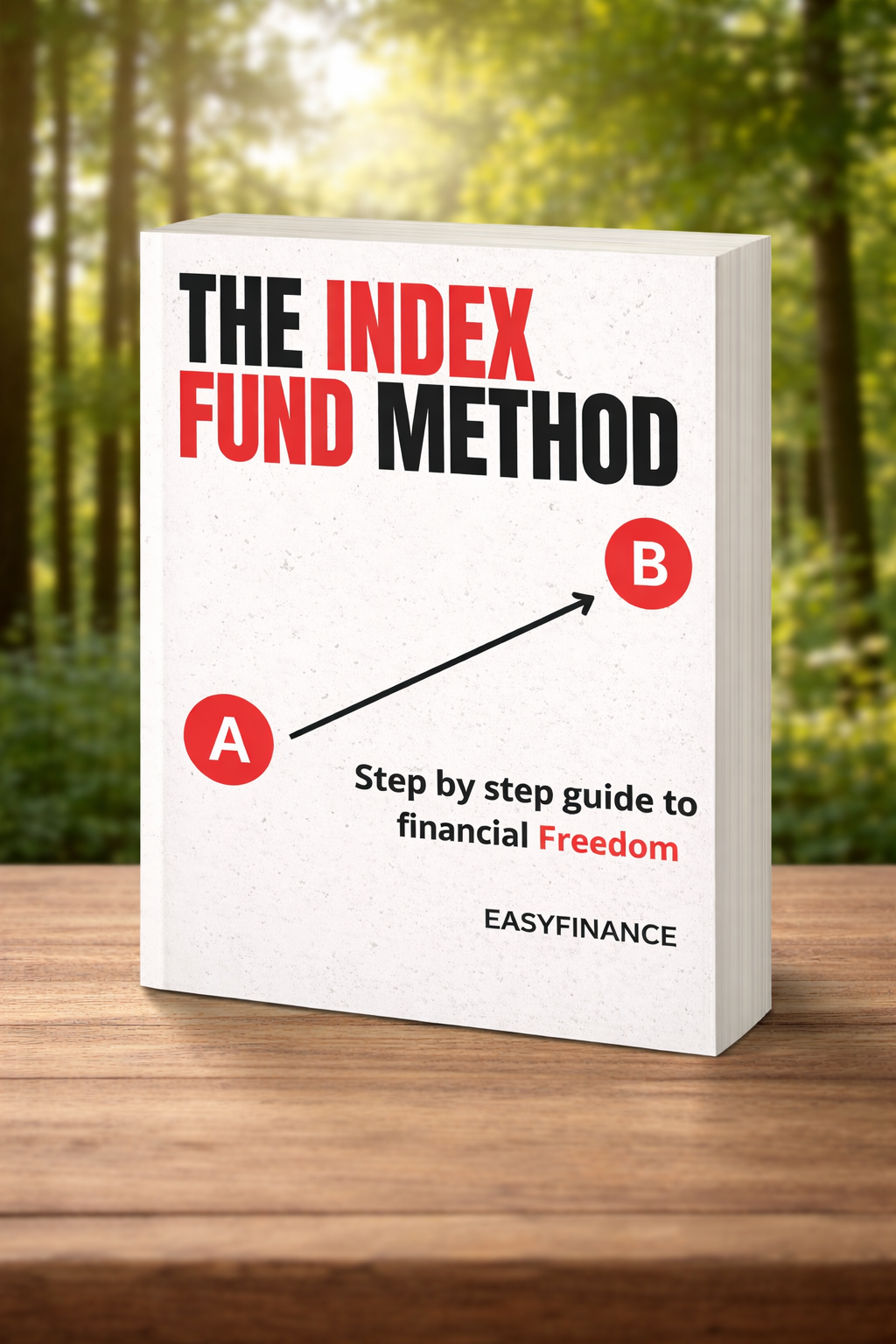
The Index Fund Method – The System for an Automated Exit
Introduction
In today’s fast-paced financial world, investors are constantly searching for strategies that combine simplicity, consistency, and long-term growth. Many approaches promise quick gains, but few deliver sustainable results without requiring constant monitoring and emotional decision-making. This is where The Index Fund Method – The System for an Automated Exit stands out as a powerful and practical investment framework.
This method is designed for individuals who want to build wealth steadily while minimizing risk and effort. Instead of chasing market trends or timing volatile price movements, it focuses on structured investing and a predefined exit strategy. The goal is simple: automate both entry and exit to remove emotional bias and maximize long-term returns.
Understanding the Core Concept
At its foundation, The Index Fund Method – The System for an Automated Exit revolves around investing in index funds and implementing a rule-based exit system. Index funds track major market indices, offering diversification and stable growth over time.
Unlike active trading, where investors frequently buy and sell assets, this method emphasizes:
- Passive investing
- Consistent contributions
- Automated exit planning
The uniqueness lies in its exit strategy. While most investors focus on when to invest, very few plan how and when to exit. This method fills that critical gap.
Why Index Funds?
Index funds are the backbone of this system. They offer several advantages:
1. Diversification
Investing in a single stock is risky, but index funds spread your investment across multiple companies, reducing overall risk.
2. Low Costs
Index funds typically have lower expense ratios compared to actively managed funds, which means more of your money stays invested.
3. Consistent Performance
Over time, markets tend to grow. Index funds capture this growth without requiring constant analysis or trading.
4. Simplicity
They are easy to understand and ideal for both beginners and experienced investors.
The Problem with Traditional Exit Strategies
Most investors fail not because they choose bad investments, but because they lack a clear exit plan. Common mistakes include:
- Selling during market panic
- Holding investments for too long without purpose
- Trying to time the market
- Emotional decision-making
Without a structured exit system, even profitable investments can turn into losses. This is why The Index Fund Method – The System for an Automated Exit is designed to eliminate uncertainty.
How the Automated Exit System Works
The automated exit system is the defining feature of this method. It ensures that your investments are withdrawn strategically over time instead of all at once.
Step 1: Define Your Investment Goal
Start with a clear objective. This could be:
- Retirement
- Financial independence
- Wealth accumulation
Your goal determines your timeline and exit strategy.
Step 2: Regular Investment (SIP Approach)
Invest consistently using a Systematic Investment Plan (SIP). This helps average out market fluctuations and reduces risk.
Step 3: Set Exit Rules
Instead of guessing when to sell, define rules such as:
- Exit after a specific time period
- Withdraw a fixed percentage annually
- Trigger exit based on portfolio value
Step 4: Automate Withdrawals
Automation ensures discipline. Once your conditions are met, funds are systematically withdrawn without emotional interference.
Benefits of an Automated Exit Strategy
1. Removes Emotional Bias
Investors often panic during market downturns. Automation eliminates impulsive decisions.
2. Ensures Profit Realization
Instead of waiting indefinitely, profits are locked in gradually.
3. Supports Financial Planning
Regular withdrawals can serve as a steady income stream.
4. Reduces Market Timing Risk
You don’t need to predict market highs or lows.
Long-Term Wealth Building Approach
The strength of The Index Fund Method – The System for an Automated Exit lies in its long-term perspective. It is not about short-term gains but sustainable growth.
Compounding Effect
When investments are left to grow over time, compounding works in your favor. Even small contributions can grow significantly.
Example:
- Monthly investment: ₹10,000
- Annual return: 10%
- Duration: 20 years
The result can be substantial, thanks to compounding.
Ideal Investors for This Method
This strategy is suitable for:
1. Beginners
Simple structure makes it easy to start without deep market knowledge.
2. Busy Professionals
Automation reduces the need for constant monitoring.
3. Long-Term Investors
Perfect for those focused on wealth creation over years or decades.
4. Risk-Averse Individuals
Diversification and structured exits minimize risk.
Common Mistakes to Avoid
Even with a solid system, mistakes can happen. Avoid these:
1. Stopping Investments During Market Drops
Market dips are opportunities, not threats.
2. Ignoring Exit Rules
Stick to the system to ensure consistency.
3. Overcomplicating the Strategy
Keep it simple and disciplined.
4. Expecting Quick Results
This is a long-term strategy, not a shortcut to instant wealth.
Comparing with Active Trading
| Feature | Index Fund Method | Active Trading |
|---|---|---|
| Effort | Low | High |
| Risk | Moderate | High |
| Time Required | Minimal | Extensive |
| Emotional Stress | Low | High |
| Consistency | High | Variable |
This comparison clearly shows why passive investing combined with automation is a powerful approach.
Building Your Portfolio
A well-balanced portfolio is essential. Consider including:
- Large-cap index funds
- International index funds
- Bond or debt funds (for stability)
This diversification ensures balanced growth and reduced volatility.
Automation Tools and Platforms
Today, many platforms support automated investing and withdrawals. These tools help:
- Schedule investments
- Track performance
- Automate exits
Using technology enhances the efficiency of the method and ensures consistency.
Psychological Advantage
One of the most underrated aspects of The Index Fund Method – The System for an Automated Exit is its psychological benefit.
Investing can be stressful, especially during market fluctuations. This system:
- Reduces anxiety
- Builds discipline
- Encourages long-term thinking
By removing emotional decision-making, investors can stay focused on their goals.
Real-Life Application Scenario
Imagine an investor who starts investing monthly in index funds. Over time, the portfolio grows steadily. Instead of waiting for the “perfect” time to sell, the automated exit system gradually withdraws funds.
This ensures:
- Continuous income
- Reduced risk
- Peace of mind
Such a structured approach leads to financial stability and confidence.
Future of Passive Investing
Passive investing is gaining popularity worldwide. More investors are realizing the benefits of:
- Low-cost strategies
- Automation
- Long-term growth
As financial technology evolves, systems like this will become even more accessible and efficient.
Final Thoughts
The Index Fund Method – The System for an Automated Exit is more than just an investment strategy—it is a complete financial framework. By combining disciplined investing with a structured exit plan, it offers a balanced approach to wealth creation.
In a world full of uncertainty, having a clear and automated system provides confidence and clarity. Whether you are just starting or looking to refine your strategy, this method offers a reliable path toward financial success.
The key is consistency, patience, and trust in the process.


Reviews
There are no reviews yet.