
Description
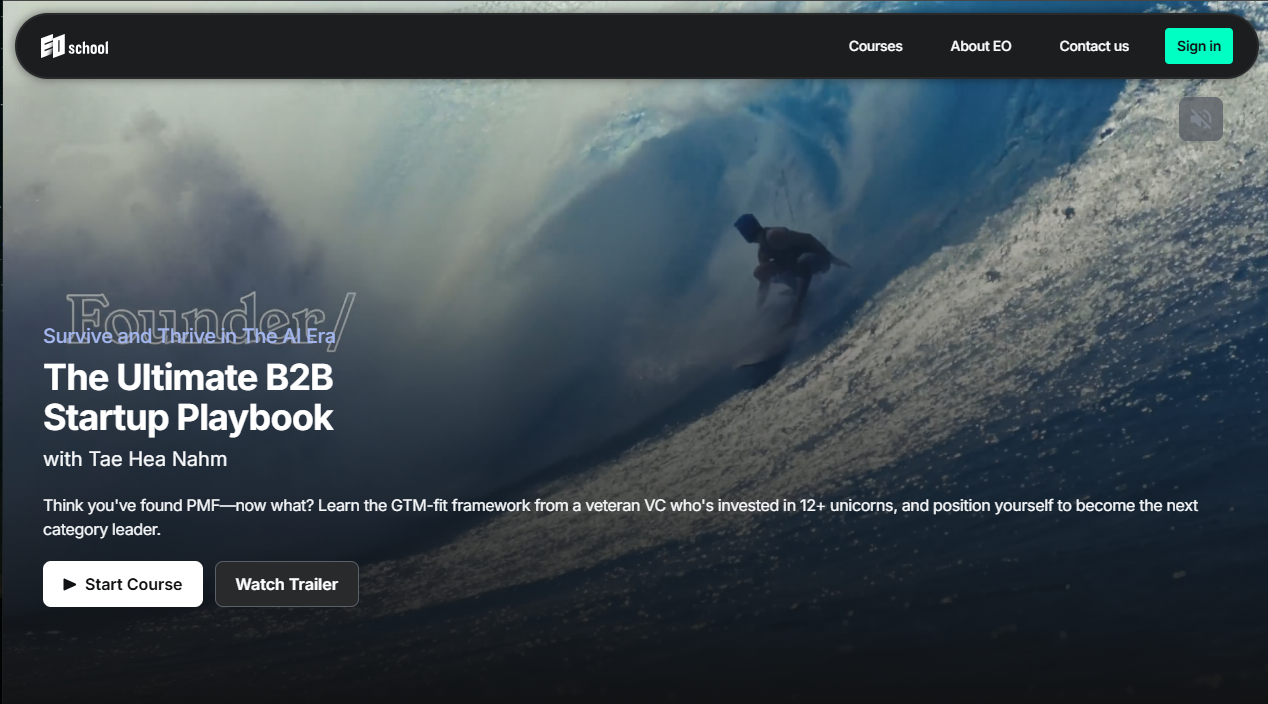
Tae Hea Nahm – The Ultimate B2B Startup Playbook
Introduction
Building a B2B startup is one of the most challenging yet rewarding journeys in business. Unlike consumer startups that often rely on viral growth or emotional branding, B2B companies succeed through solving real business problems, creating measurable value, and building trust over time. Tae Hea Nahm – The Ultimate B2B Startup Playbook is a practical roadmap for founders, entrepreneurs, and operators who want to build a successful business-to-business company from scratch and scale it into a market leader.
Tae Hea Nahm is widely recognized for helping founders navigate the startup world with sharp strategic thinking, real operational advice, and a deep understanding of what it takes to win in the enterprise market. His playbook is not based on theory—it is built from real-world lessons, founder mistakes, investor expectations, and proven growth systems.
This guide explores the most important principles behind Tae Hea Nahm – The Ultimate B2B Startup Playbook so you can apply them directly to your startup journey.
Why B2B Startups Are Different
Many founders enter the startup world believing growth comes only from ads, branding, and social media attention. In B2B, success works differently.
Businesses buy products when they help them:
- Increase revenue
- Reduce costs
- Save time
- Improve efficiency
- Reduce risk
- Gain competitive advantage
That means your product must solve a clear pain point. The stronger the pain point, the easier the sale.
The playbook emphasizes that B2B startups must focus less on hype and more on outcomes.
Step 1: Find a Painful Problem Worth Solving
The first rule in Tae Hea Nahm – The Ultimate B2B Startup Playbook is simple:
Do not start with an idea. Start with a problem.
Many startups fail because founders build tools nobody urgently needs.
Instead, ask:
- What business process is broken?
- Where are companies wasting money?
- What tasks are still manual?
- Which industries use outdated systems?
- Where are teams frustrated daily?
When pain is strong, budget appears.
Winning B2B startups often solve expensive, repetitive, frustrating problems.
Examples:
- Slow hiring systems
- Poor inventory management
- Manual accounting workflows
- Cybersecurity risks
- Sales inefficiency
- Communication breakdowns
Step 2: Define a Clear Ideal Customer Profile
You cannot sell to everyone.
The playbook stresses the importance of creating an ICP (Ideal Customer Profile).
This includes:
- Industry
- Company size
- Revenue range
- Geography
- Tech stack
- Decision maker titles
- Common pain points
For example:
Instead of targeting “all businesses,” target:
US SaaS companies with 50–500 employees struggling with customer retention.
That focus makes messaging, sales outreach, pricing, and product decisions much easier.
Step 3: Build a Product That Delivers ROI
B2B buyers care about return on investment.
Your software or service should answer:
- How much money will this save?
- How much revenue can this create?
- How many hours will this reduce?
- How quickly can this be implemented?
In Tae Hea Nahm – The Ultimate B2B Startup Playbook, products that clearly show ROI sell faster.
If your tool saves a company ₹10 lakh annually, pricing at ₹2 lakh becomes logical.
Business buyers purchase logic first, emotion second.
Step 4: Master Founder-Led Sales
In early-stage B2B startups, founders must sell personally.
No sales team can replace direct founder learning.
Why founder-led sales matters:
- You hear objections directly
- You understand customer language
- You learn pricing resistance
- You refine positioning
- You discover feature priorities
Tae Hea Nahm teaches that early founders should spend massive time talking to customers.
This means:
- Cold emails
- LinkedIn outreach
- Product demos
- Discovery calls
- Follow-up meetings
- Closing first deals
Your first 10 customers teach more than 100 strategy books.
Step 5: Build Trust Before Scale
Enterprise buyers move slower than consumers.
They need trust.
Ways to build trust:
- Case studies
- Testimonials
- Free pilot programs
- Strong onboarding
- Fast support
- Security compliance
- Clear documentation
Companies do not like risk.
Even if your product is excellent, trust gaps delay deals.
The playbook teaches founders to reduce buyer fear at every step.
Step 6: Pricing Strategy That Makes Sense
Many founders underprice.
Cheap pricing can signal low value.
Instead, price based on value created.
Common B2B pricing models:
- Per user pricing
- Subscription monthly/annual
- Usage based pricing
- Tiered pricing
- Enterprise custom contracts
- Performance based pricing
If your tool saves a business millions, charging a few hundred dollars monthly is leaving money on the table.
Strong pricing supports growth, hiring, marketing, and long-term sustainability.
Step 7: Build a Repeatable Sales Engine
Once founder-led sales works, scale systems.
The startup playbook focuses on repeatability:
- Lead generation process
- CRM pipeline
- Sales scripts
- Demo frameworks
- Proposal templates
- Follow-up automation
- Objection handling playbooks
When sales depends on one superstar closer, growth becomes fragile.
When sales becomes a system, growth becomes scalable.
Step 8: Hire Carefully
Early hires shape startup culture.
Wrong hires cost money, time, and morale.
Tae Hea Nahm’s startup philosophy supports hiring people who are:
- Smart
- Hungry
- Adaptable
- Ownership-driven
- Fast learners
- Mission aligned
In early stage startups, attitude often matters more than credentials.
One elite generalist can outperform three average specialists.
Step 9: Raise Capital Strategically
Not every startup needs funding immediately.
But when raising money, founders must understand investor logic.
Investors evaluate:
- Market size
- Growth rate
- Product strength
- Team quality
- Revenue traction
- Retention
- Competitive moat
The playbook reminds founders:
Fundraising is fuel, not the engine.
Without product-market fit, money only delays failure.
Raise when capital accelerates something already working.
Step 10: Retention Is More Important Than Acquisition
Many startups obsess over getting customers.
But losing customers destroys momentum.
Focus on:
- Fast onboarding
- Product adoption
- Customer success
- Usage tracking
- Renewals
- Upsells
- Relationship management
Recurring revenue businesses win when customers stay longer.
Retention increases lifetime value and reduces growth pressure.
Common Mistakes B2B Founders Make
According to Tae Hea Nahm – The Ultimate B2B Startup Playbook, avoid these traps:
1. Building Without Customer Calls
Never assume demand.
2. Chasing Too Many Markets
Focus wins.
3. Underpricing
Cheap products struggle to scale.
4. Hiring Too Early
Stay lean until systems exist.
5. Ignoring Retention
Churn silently kills companies.
6. Fundraising Too Soon
Traction first, pitch later.
7. Selling Features Instead of Outcomes
Buyers want results.
Modern B2B Growth Channels
Today’s best B2B startups use multiple channels:
- LinkedIn content
- SEO traffic
- Founder brand building
- Partnerships
- Referral systems
- Webinars
- Email outbound
- Industry communities
- Paid acquisition
- Customer advocacy
The playbook encourages combining outbound sales with inbound authority.
The Winning Founder Mindset
Beyond tactics, mindset matters.
Great founders think long term.
They remain calm during slow months, failed launches, rejected pitches, and delayed deals.
Traits that matter:
- Resilience
- Speed
- Curiosity
- Discipline
- Patience
- Decisiveness
- Learning obsession
B2B startups often take longer to win—but winners build durable companies.
Final Thoughts
Tae Hea Nahm – The Ultimate B2B Startup Playbook is more than a startup guide. It is a blueprint for building something real in a noisy world full of shortcuts.
If you solve painful business problems, talk constantly to customers, price based on value, build trust, create repeatable systems, and stay resilient, your startup gains a real chance to succeed.
B2B success is not magic.
It is consistent execution over time.
Founders who understand this playbook can build companies that generate revenue, create jobs, attract investors, and dominate markets.





Reviews
There are no reviews yet.