
Description
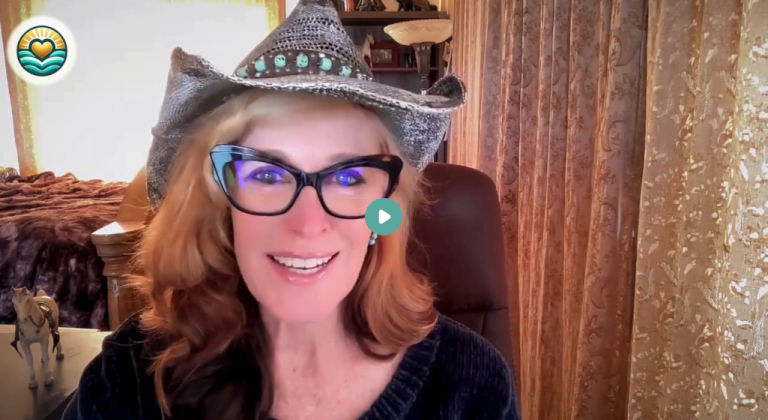
Lorrie Morgan – Story-Based Emails that Sell to Women
Introduction
In today’s crowded digital marketplace, attention is the most valuable currency. People are bombarded with sales messages every day, yet very few actually connect on a deeper emotional level. This is especially true when marketing to women, where emotional resonance, relatability, and trust play a crucial role in decision-making.
Lorrie Morgan – Story-Based Emails that Sell to Women is a powerful approach that focuses on storytelling as the foundation of persuasive email marketing. Instead of pushing products with aggressive sales tactics, this method builds genuine relationships through narrative-driven communication. It helps businesses move beyond traditional selling and enter the space of meaningful engagement.
This strategy is not just about writing emails—it’s about understanding psychology, emotions, and human connection.
Why Storytelling Works in Email Marketing
Storytelling has been a core part of human communication for centuries. From ancient traditions to modern marketing, stories are how people understand and remember information.
When applied to email marketing:
- Stories create emotional connection
- They make content more memorable
- They reduce resistance to sales messages
- They help readers see themselves in the situation
Women, in particular, tend to respond strongly to content that reflects real-life experiences, emotions, and authenticity. A well-crafted story allows the reader to feel understood rather than targeted.
Understanding the Female Audience
Before writing effective emails, it’s important to understand the audience deeply.
Key Traits of Female Buyers:
- Emotion-driven decisions
While logic plays a role, emotions often lead the buying process. - Value connection over persuasion
Women prefer brands that understand them rather than those that try to convince them aggressively. - Trust and authenticity matter
Honest storytelling builds long-term loyalty. - Community and belonging
Messages that make readers feel part of something bigger perform better.
Using Lorrie Morgan – Story-Based Emails that Sell to Women, marketers can align their messaging with these traits to create impactful communication.
Core Principles of Story-Based Emails
1. Start with a Relatable Hook
The first few lines of an email determine whether it will be read or ignored. A strong hook grabs attention immediately.
Example:
“Last year, I found myself staring at my laptop at 2 AM, wondering why nothing was working…”
This instantly creates curiosity and relatability.
2. Build an Emotional Journey
A good story takes the reader through a journey:
- A problem or struggle
- Emotional tension
- A turning point
- A resolution
This structure mirrors real life, making the content feel natural and engaging.
3. Show, Don’t Tell
Instead of saying:
- “This product is amazing”
Show:
- How someone used it
- What they experienced
- What changed in their life
This creates authenticity and believability.
4. Subtle Selling
One of the most powerful aspects of this method is that it doesn’t feel like selling.
Instead of:
- “Buy now”
Use:
- “That’s when I realized there had to be a better way…”
The product or service becomes part of the story rather than the focus.
5. End with a Soft Call-to-Action
Encourage action without pressure:
- “If this sounds familiar, you might want to check this out.”
- “Here’s what helped me…”
This approach reduces resistance and increases conversions.
Structure of a High-Converting Story Email
A well-crafted email using Lorrie Morgan – Story-Based Emails that Sell to Women typically follows this format:
1. Subject Line
- Curiosity-driven
- Emotional
- Personal
Example:
“Something I never told anyone…”
2. Opening Hook
- Personal experience
- Relatable situation
3. The Story
- Problem
- Struggle
- Emotional detail
4. Turning Point
- Discovery
- Realization
5. Solution Introduction
- Natural transition
- No hard selling
6. Call-to-Action
- Gentle suggestion
- Invitation, not command
Real-Life Example
Let’s say you’re selling an online course.
Traditional Email:
“Buy our course now! It will help you grow your business fast.”
Story-Based Email:
“I remember sitting at my desk, refreshing my website again and again… hoping for just one sale.
Nothing.
I started questioning everything—my product, my strategy, even myself.
Then I discovered a different approach. Instead of trying to sell, I started telling stories…
That’s when things changed.”
This approach feels human, not salesy.
Common Mistakes to Avoid
Even though storytelling is powerful, many people make mistakes that reduce its effectiveness.
1. Overcomplicating the Story
Keep it simple and focused.
2. Being Too Salesy
The moment it feels like a pitch, the connection breaks.
3. Lack of Authenticity
Fake or exaggerated stories reduce trust.
4. Ignoring the Audience
The story should reflect the reader’s reality, not just the writer’s experience.
Benefits of Story-Based Emails
Using Lorrie Morgan – Story-Based Emails that Sell to Women can significantly improve marketing performance.
1. Higher Open Rates
Curiosity-driven subject lines attract attention.
2. Better Engagement
Readers stay longer and connect emotionally.
3. Increased Conversions
Trust leads to action.
4. Strong Brand Loyalty
People remember how you made them feel.
How to Get Started
If you want to implement this strategy, follow these steps:
Step 1: Know Your Audience
Understand their struggles, desires, and emotions.
Step 2: Collect Stories
Use:
- Personal experiences
- Customer stories
- Everyday situations
Step 3: Practice Writing
Start simple. Focus on clarity and emotion.
Step 4: Test and Improve
Analyze what works and refine your approach.
Advanced Tips for Better Results
1. Use Conversational Language
Write like you’re talking to a friend.
2. Keep Paragraphs Short
Improves readability, especially on mobile.
3. Use Open Loops
Create curiosity that keeps readers engaged.
4. Focus on One Idea Per Email
Avoid overwhelming the reader.
Psychological Triggers in Storytelling
Effective emails often use psychological elements such as:
- Curiosity → Keeps readers engaged
- Empathy → Builds connection
- Relatability → Increases trust
- Transformation → Drives action
These triggers are naturally embedded in storytelling, making it a powerful marketing tool.
Why This Approach Stands Out
In a world full of generic marketing messages, storytelling feels personal and real.
Lorrie Morgan – Story-Based Emails that Sell to Women stands out because:
- It prioritizes connection over conversion
- It builds long-term relationships
- It aligns with how people naturally communicate
This makes it not just a marketing strategy, but a sustainable way to grow a brand.
Conclusion
Email marketing is evolving. The old methods of pushing products and using aggressive tactics are becoming less effective.
Storytelling is the future.
By using Lorrie Morgan – Story-Based Emails that Sell to Women, businesses can create emails that resonate deeply, build trust, and drive meaningful engagement.
Instead of asking, “How do I sell this?”
Start asking, “What story can I tell?”
That shift changes everything.


Reviews
There are no reviews yet.